From Recommendations to Generation

Abstract:
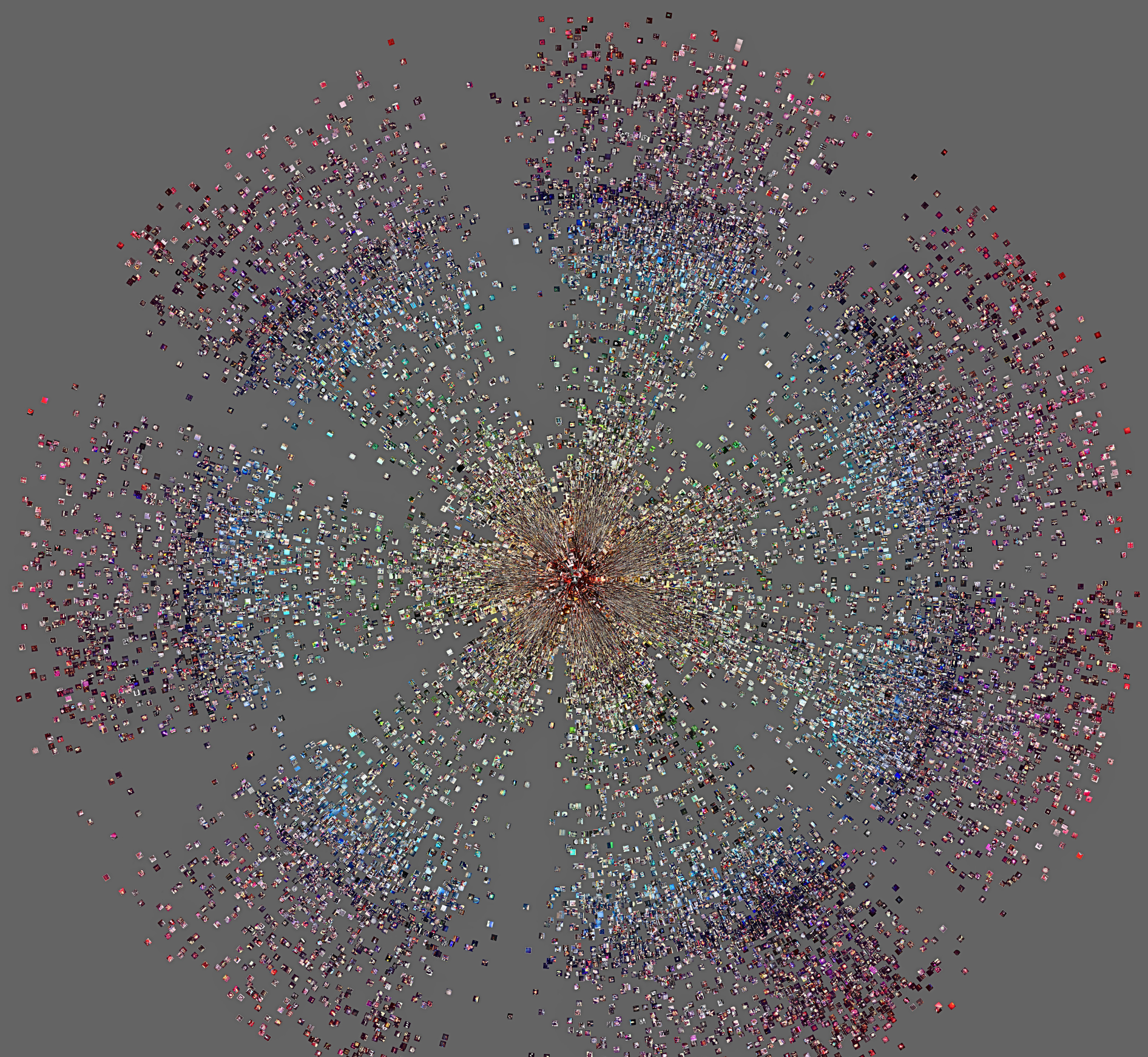
We have been gradually moving from a "deterministic culture," where complete control means making endless choices, to a new "probabilistic culture." In this culture, we let AI tools choose for us — as we already do with recommendation systems, which we have used for nearly three decades. For example, I tell an AI image-generation tool what I like, and it "curates" a particular area of the infinite latent space for me, generating endless images. Just as I let Instagram or YouTube decide what fills my default feed, I enjoy that I don't have to make all choices, specify every detail, and decide everything. Generative AI extends this logic from recommendation to generation.
The emergence and growth of this "probabilistic culture" is logical. It's a response to the information and media explosion of the 1990s and early 2000s. Algorithmic recommendation technologies emerged at the turn of the 21st century as an alternative to search technology, which required you to specify what you wanted to find. (Amazon was first to introduce automatic recommendations in 1996; Google News, with its automatic feed, launched in 2005; today YouTube automatic recommendations are responsible for 70% of all YouTube video views, and 80% of TikTok and Netflix views.) And in the early 2020s (2002-), we arrived at the new stage of probabilistic culture — the emergence of "probabilistic creativity" tools for the masses.
In this text I also discuss briefly another very important characteristic of GenAI. AI creation tools don't require learning math, programming languages, or mastering complex interfaces of professional media authoring software. Instead, you direct these tools using natural language. This is the key shift in the history of human culture: AI offers us the first writing and visual media creation tools in human history without any dedicated interface.
More precisely, dance, singing, and making marks by hand also does not require any special tools. But everything else does. The history of media is the history of the evolution of such tools. But now we have created a media "super tool" which only requires us to know a language to communicate with this it.